

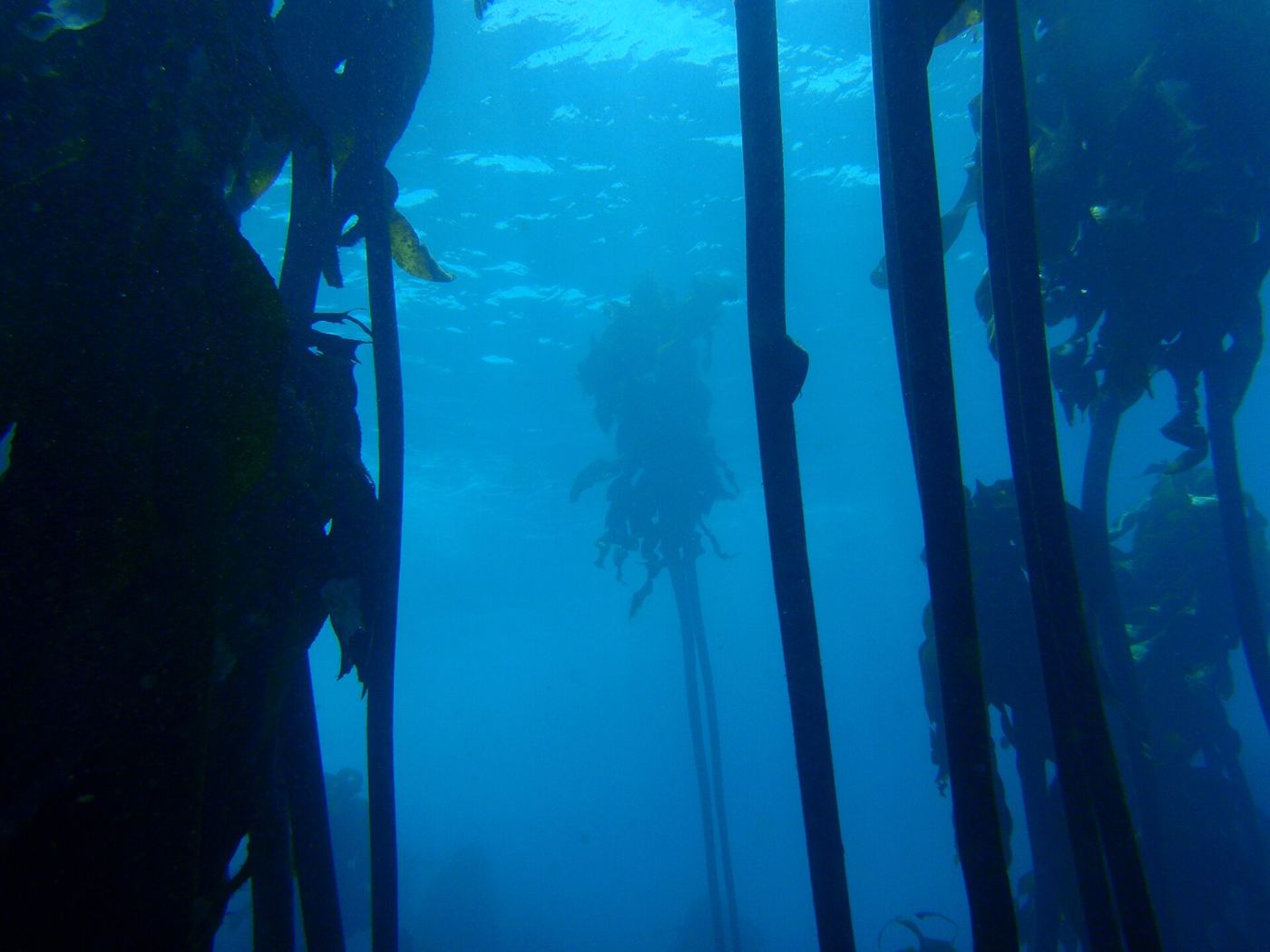
Marine conservation teams are restoring kelp forests along coastlines where the underwater habitats have declined sharply in recent decades. Divers plant young kelp on rocky reefs, remove species that overgraze the fronds and monitor growth through the seasons. Healthy kelp forests shelter fish, shellfish and young marine animals while absorbing carbon and softening wave energy near shore. Their loss has been linked to warming seas, pollution and imbalances among predators and grazers. Specialists following kelp forest restoration say early sites are showing encouraging returns of biodiversity. Within months of planting, small fish gather among the fronds and invertebrates settle on the rocks below. Local fishing communities are involved in site selection, since they know currents, historic kelp beds and seasonal conditions well. Restoration is painstaking work. Each planting dive covers a limited area, and storms can undo progress, so teams prioritise sheltered sites where young plants have the best chance to anchor. Scientists also collect genetic material from resilient local kelp that survives warm periods, hoping to strengthen future plantings.
What the Evidence Shows
Monitoring combines diver surveys with underwater cameras and environmental DNA samples that reveal which species are visiting the restored areas. The data helps teams adjust planting density and grazing controls rather than relying on guesswork. Schools and volunteers support the projects by growing kelp seedlings in shore based nurseries. That involvement builds public understanding of habitats that remain invisible to most people from the surface. Researchers caution that restoration cannot succeed if water quality and warming trends are ignored. Reducing nutrient pollution and protecting predator species such as large fish are part of the wider programme. Kelp also has potential commercial value for food and natural products, which some communities hope will fund conservation. Any harvesting from restored sites would need strict limits to protect the ecosystem purpose. For now, the measure of success is ecological: taller forests, more young fish and a coastline better able to withstand a changing ocean. Reporting and analysis from sources such as National Science Foundation track the same developments, and specialists following kelp forest restoration say the direction is now consistent across independent lines of evidence.
The Wider Context
The wider context is a research landscape in which replication and open data now decide reputations. Findings connected to kelp forest restoration are being checked by independent groups with shared datasets, and the teams involved publish their methods in full so rivals can test every step. That discipline is slower than a headline cycle, but it is why results in this area increasingly survive first contact with scrutiny.
What Happens Next
What happens next in the story of kelp forest restoration will be decided by follow-up work already under way: larger samples, longer observation and instruments that have not yet come online. The researchers involved are unusually united on one point, that the current results justify the next investment of time and money. Readers will not have to wait long for the first tests of that claim. You can follow related developments in our coverage of science.
There is a practical lesson in all of this for readers deciding what to do today. Start with the verified facts, be wary of anyone promising certainty, and prefer reversible steps while the evidence is still developing. Circumstances differ by country, income and personal situation, so general guidance should always be weighed against your own context before you act on it in any significant or lasting way.
