

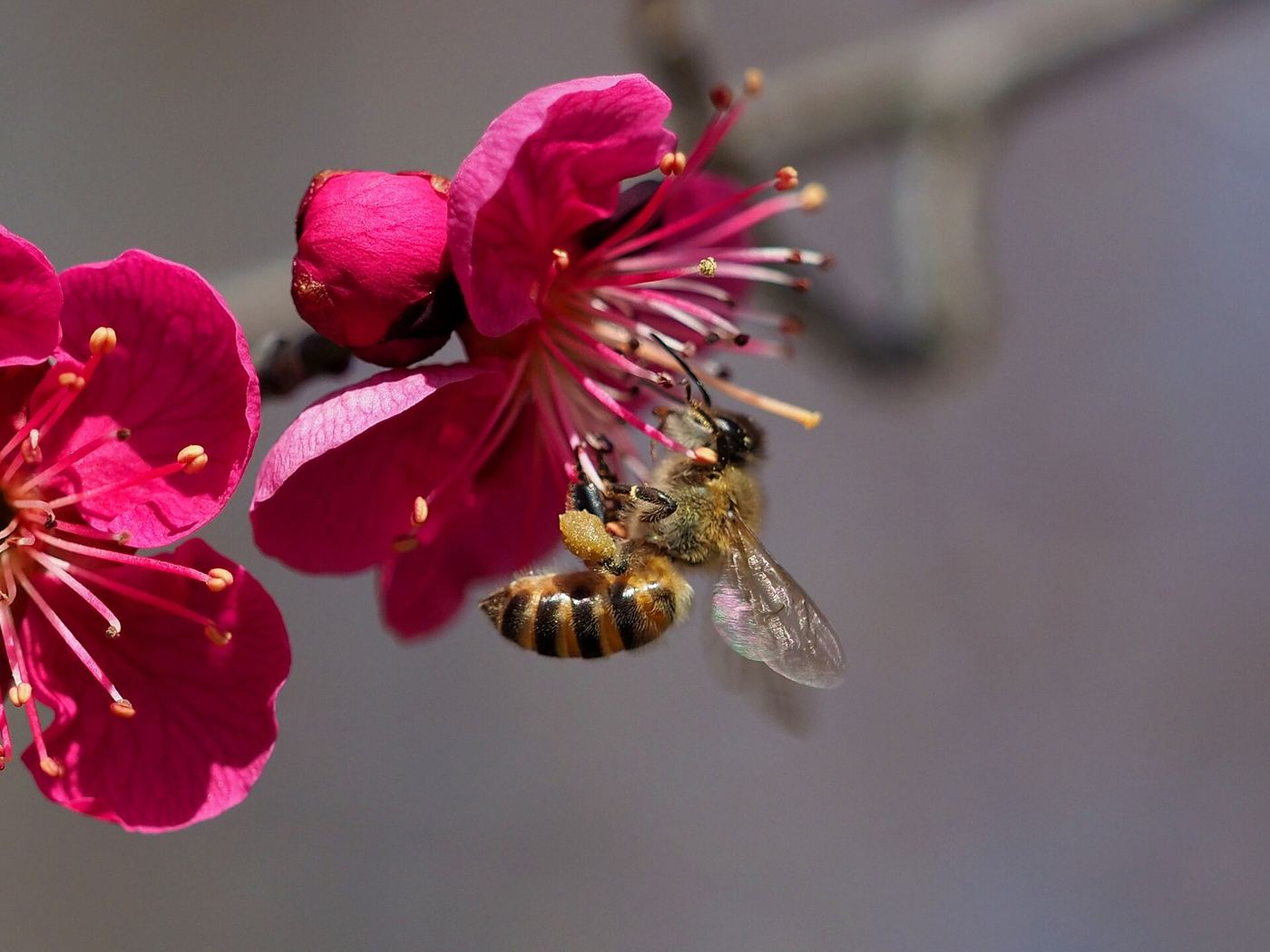
Honeybees remember the locations of rewarding flowers for longer than researchers expected, according to new experiments that tracked how individual bees return to good feeding sites over several days. Scientists set out arrays of artificial flowers with different rewards and watched marked bees navigate back to the best of them, even after breaks in foraging and changes in the surrounding pattern. The results suggest a memory that is both durable and flexible: bees held on to profitable locations while still exploring new ones, a balance that helps a colony exploit a changing landscape of blooms. Understanding this memory matters beyond curiosity, because pollination depends on bees moving reliably between flowers, and farmers and conservationists alike plant with pollinators in mind. The researchers took care to test bees of different ages and experience, finding that seasoned foragers were the most faithful to remembered sites. Laboratory findings are now being compared with behaviour in real field margins and gardens. The study adds to a growing picture of the honeybee as a skilled navigator whose small brain performs feats of learning that engineers still find difficult to copy.
What the Evidence Shows
Scientists examining honeybee memory of flower locations say the next step is understanding what the bees actually remember: the flower’s position, its colour and scent, or the route flown to reach it. Careful tests that move landmarks and swap flower features are helping separate those possibilities. The work also explores how memory competes with the famous dance communication inside the hive, where returning foragers advertise new discoveries to their nestmates. A bee, it seems, weighs her own experience against the news of others, and chooses accordingly. That decision-making has practical importance, because crops and wildflowers are pollinated best when bees visit many flowers of the same species in sequence. Conservationists hope the findings will shape planting schemes that reward bee memory, with steady sequences of blooms rather than brief, scattered displays. For the researchers, the pleasure is in the detail: watching a single bee cross a field with clear purpose, returning to a flower she found days before. Reporting and analysis from sources such as Nature track the same developments, and specialists following honeybee memory of flower locations say the direction is now consistent across independent lines of evidence.
The Wider Context
The wider context is a research landscape in which replication and open data now decide reputations. Findings connected to honeybee memory of flower locations are being checked by independent groups with shared datasets, and the teams involved publish their methods in full so rivals can test every step. That discipline is slower than a headline cycle, but it is why results in this area increasingly survive first contact with scrutiny.
What Happens Next
What happens next in the story of honeybee memory of flower locations will be decided by follow-up work already under way: larger samples, longer observation and instruments that have not yet come online. The researchers involved are unusually united on one point, that the current results justify the next investment of time and money. Readers will not have to wait long for the first tests of that claim. You can follow related developments in our coverage of science.
None of this will be settled by a single announcement, study or product launch. The pattern to watch is accumulation: independent confirmations, honest reporting of failures and steady improvement in the underlying numbers. Readers who follow those signals, rather than the loudest claim of the week, will understand this subject better than most of the commentary surrounding it suggests is possible.
