

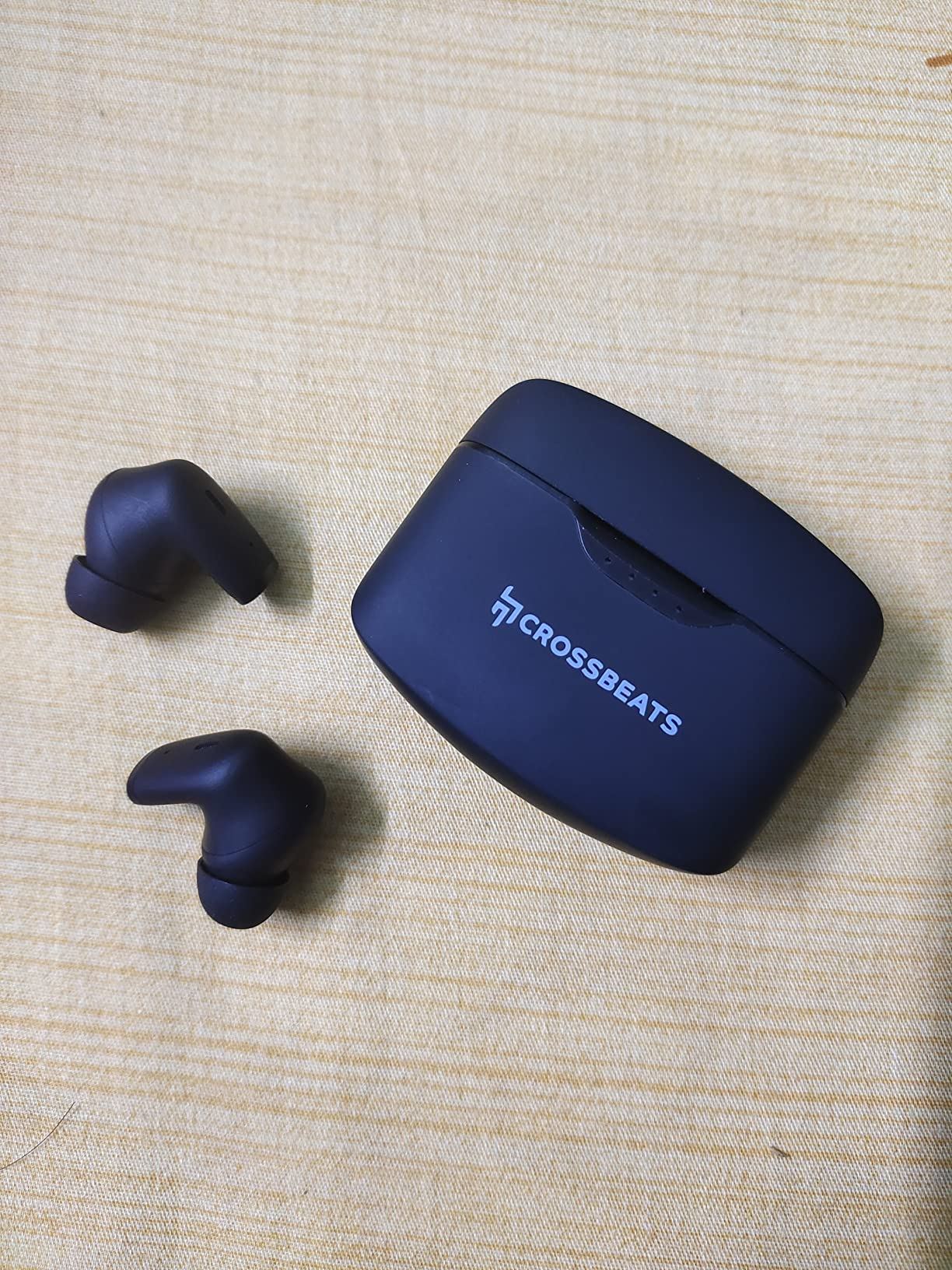
For runners, walkers and outdoor workers, wireless earbuds have solved an old annoyance and created a few new ones. Without a cable catching on clothing or equipment, movement is freer, and modern earbuds resist sweat and rain well enough for daily exercise in most weather. A secure fit is the deciding factor for many buyers, since an earbud that works loose during a run is worse than useless if it ends up in a puddle or underfoot. Makers now include several tip sizes and small stabilising fins, and they test shapes on a wide range of ears rather than assuming one design suits everyone equally well outdoors. Trail runners in particular value awareness of their surroundings, from hearing a mountain bike approach to noticing weather changing in the hills above them.
What the Evidence Shows
Safety shapes the outdoor listening experience as much as sound quality. Many runners use a single earbud or a transparency setting in traffic, keeping awareness of vehicles, cyclists and other people nearby, and some events restrict earbud use on their courses for exactly that reason. Battery cases extend listening across a week of training, while quick charges help when a session is about to start. Lost earbuds remain a common frustration, prompting tracking features that show the last known location of each bud and its case. As designs improve, the best outdoor earbuds are those wearers can almost forget, delivering steady music or podcasts without demanding constant adjustment or worry. Retailers report that fit testing in store, including a short jog on the spot, prevents many returns and helps buyers choose more confidently. Reporting and analysis from sources such as MIT Technology Review track the same developments, and specialists following wireless earbuds designed for outdoor exercise say the direction is now consistent across independent lines of evidence.
The Wider Context
The wider context is an industry learning to ship capability and restraint together. Products built around wireless earbuds designed for outdoor exercise now launch with safety evaluations, usage data and rollback plans as standard, because enterprise buyers and regulators ask for them in the first meeting. Companies that treated those questions as friction are discovering they have become the purchase criteria.
What Happens Next
What happens next for wireless earbuds designed for outdoor exercise depends less on another breakthrough than on the unglamorous work of reliability, pricing and support. The buyers evaluating it now are not enthusiasts; they are operators with budgets and auditors, and their checklists will decide the timeline. On the evidence of the current pilots, the technology has earned the right to be judged by them. You can follow related developments in our coverage of technology.
There is a practical lesson in all of this for readers deciding what to do today. Start with the verified facts, be wary of anyone promising certainty, and prefer reversible steps while the evidence is still developing. Circumstances differ by country, income and personal situation, so general guidance should always be weighed against your own context before you act on it in any significant or lasting way.
