
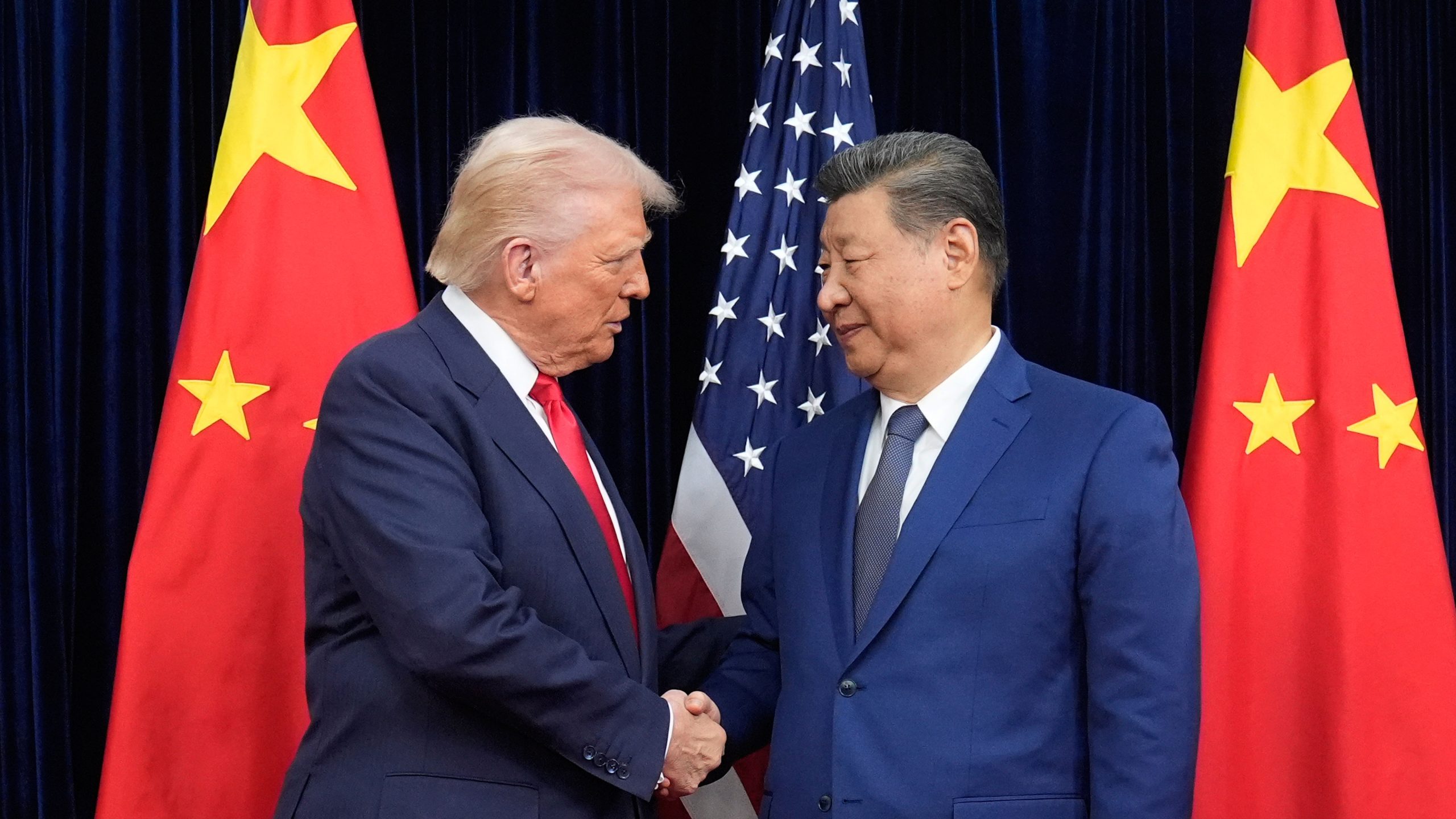
International relations are going through a major transformation as governments around the world introduce new political decisions that are reshaping global cooperation, trade, and security. These changes are not happening in isolation—they are deeply connected to shifting power balances, economic pressures, and technological competition. As a result, global politics has become more complex, with countries adjusting their foreign policies to protect national interests while managing international partnerships. Understanding these developments is important for anyone who wants to stay informed about how the world economy and diplomatic relations are evolving in real time.
Shifting Global Power and Strategic Alliances
New diplomatic realignments and strategic partnerships
One of the most noticeable trends in international relations today is the rise of new diplomatic alignments. Countries are forming fresh partnerships based on shared economic and security interests rather than traditional alliances. These shifts are influenced by global competition, regional conflicts, and changing leadership priorities. Governments are now more focused on flexible cooperation instead of long-term fixed alliances. This has led to a more dynamic geopolitical environment where foreign policy decisions are frequently adjusted. As nations reassess their global roles, diplomatic networks are expanding in different regions, creating both opportunities and uncertainties in global politics. These realignments are reshaping how countries interact on trade, defense, and international diplomacy.
Trade policy changes affecting global cooperation
Trade policies have become a central factor in shaping international relations. Many countries are revising import-export rules, tariffs, and trade agreements to strengthen domestic industries and reduce dependency on external markets. These political decisions are influencing global supply chains and economic partnerships. In some cases, trade restrictions are increasing tensions between major economies, while in others, new agreements are opening doors for regional cooperation. Businesses are also adapting to these changes by diversifying suppliers and exploring new markets. Overall, evolving trade policies are redefining global economic relationships and forcing nations to rethink how they engage in international commerce.
Military alliances and security concerns
Security concerns are playing a major role in shaping modern alliances. Countries are strengthening military cooperation through joint exercises, intelligence sharing, and defense agreements. These actions are often responses to regional instability and global security risks. As geopolitical tensions increase, nations are investing more in defense systems and strategic partnerships to ensure national security. This has led to a renewed focus on military alliances and collective defense strategies. At the same time, it raises concerns about escalating conflicts and arms competition. The balance between cooperation and competition continues to define the security landscape in international relations.
Economic Policies Driving International Tensions
Sanctions and economic pressure
Economic sanctions have become a powerful tool in modern foreign policy. Governments use them to influence political behavior, address security concerns, or respond to international disputes. These sanctions often target trade, finance, and key industries, creating significant pressure on affected countries. While they are designed to achieve political goals, they also have broader impacts on global markets. Businesses, investors, and economies worldwide feel the effects through disrupted trade routes and financial uncertainty. As more countries adopt economic pressure strategies, tensions in international relations continue to rise, making global cooperation more difficult in certain regions.
Energy security and resource competition
Energy security is a major issue shaping global politics today. Countries are competing for access to oil, gas, and renewable energy resources to ensure stable economic growth. Political decisions related to energy production, pricing, and distribution are influencing international partnerships. Resource-rich regions are becoming strategic focal points for global powers. At the same time, the shift toward clean energy is creating new competition in technology and supply chains. These dynamics are increasing both cooperation and rivalry among nations. Energy policies are now closely linked with foreign policy, making them a key driver of international relations.
Global trade restructuring
The global trade system is undergoing significant restructuring due to political and economic changes. Countries are shifting away from traditional trade dependencies and focusing on regional agreements. This transformation is driven by supply chain disruptions, geopolitical tensions, and the need for economic resilience. Governments are encouraging local production while still maintaining international trade relationships. As a result, global markets are becoming more fragmented but also more regionally focused. This restructuring is redefining how goods, services, and capital move across borders, impacting international economic stability.
Technology, Cybersecurity, and Global Governance
Digital sovereignty
Digital sovereignty has become a major topic in international relations. Countries are now prioritizing control over their digital infrastructure, data storage, and online regulations. This shift is driven by concerns about privacy, security, and technological independence. Governments are introducing laws that regulate data flow and limit foreign influence in digital spaces. These political decisions are reshaping global internet governance and creating new digital boundaries between nations. As technology becomes more central to economic growth, digital sovereignty is emerging as a key element of modern foreign policy.
Cybersecurity threats
Cybersecurity is one of the most critical challenges in global politics today. Governments and organizations are facing increasing cyber threats targeting infrastructure, financial systems, and communication networks. These attacks often have political motivations and can disrupt international relations. As a result, countries are investing heavily in cybersecurity defenses and forming international agreements to improve digital security cooperation. However, trust remains a major issue, as cyber conflicts are difficult to trace and regulate. This ongoing challenge continues to shape diplomatic discussions and global security strategies.
Artificial intelligence and global governance
Artificial intelligence is becoming a major focus in global governance discussions. Countries are competing to lead in AI development while also addressing ethical, legal, and security concerns. Political decisions regarding AI regulation are influencing international collaboration and competition. Governments are working to establish frameworks that ensure responsible use of AI in industries such as healthcare, defense, and finance. However, differences in regulation approaches are creating challenges for global cooperation. As AI continues to evolve, its role in international relations will become even more significant.
FAQs
1. What are the latest political decisions affecting international relations?
They include changes in trade policies, security alliances, economic sanctions, and digital governance strategies.
2. Why are global political decisions important?
They shape international cooperation, economic stability, and global security between countries.
3. How do trade policies impact international relations?
Trade policies influence economic partnerships, supply chains, and diplomatic relationships between nations.
4. What role does technology play in global politics?
Technology affects cybersecurity, digital sovereignty, and international competition in innovation.
5. How do sanctions influence global economies?
Sanctions restrict trade and finance, often impacting both targeted countries and global markets.
Conclusion
The latest political decisions shaping international relations highlight a world that is becoming more interconnected yet increasingly complex. From shifting alliances and economic restructuring to cybersecurity challenges and technological competition, global politics is evolving rapidly. These developments show that foreign policy today is no longer isolated but deeply linked with economics, technology, and security. Understanding these changes helps us better interpret the direction of the global economy and the future of international cooperation.
