

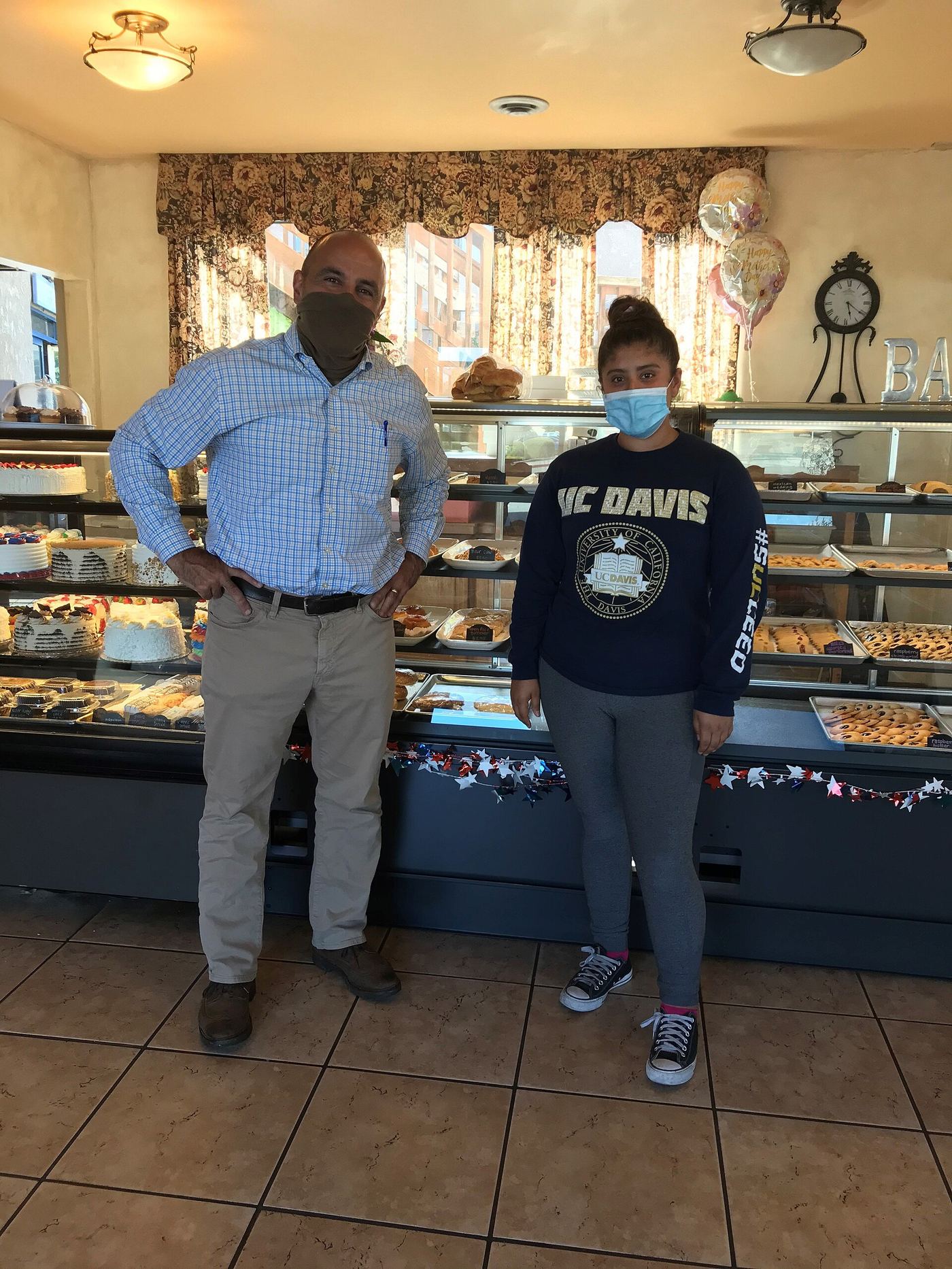
In bakeries, machine shops and logistics firms across the developed world, the same conversation is happening at the kitchen table: Mum and Dad are ready to retire, and nobody is sure who takes over. Family businesses employ roughly half the private workforce in many economies, and a demographic wave is now reaching them — founders who built companies in the 1980s and 1990s are hitting retirement age together, while their children, more often than in any previous generation, have built careers elsewhere.
A trillion-dollar transfer
Advisers call it the great handover. Estimates regularly cited by PwC’s family business research put the value of firms changing hands this decade in the trillions, yet surveys keep finding the same weakness: most family firms have no written succession plan. The gap matters because handovers fail for emotional reasons more than financial ones — unclear roles, sibling rivalry, and founders who cannot quite let go of the keys.
Where families do plan early, the results are strikingly better. Staged transitions, in which the next generation runs a division for several years before taking the top job, preserve both the firm’s banking relationships and its craft knowledge. Our earlier reporting on small firms adapting to expensive money found the same dividing line: the businesses that wrote things down survived shocks that sank their neighbours.
New owners waiting in the wings
When no heir steps forward, a new market is filling the gap. Search funds and employee buyouts now compete to acquire profitable family firms, and private equity — once dismissive of businesses this size — runs dedicated platforms for them. Employee ownership trusts, in particular, have surged, letting founders sell to the workforce while keeping the firm’s name and site intact.
The clock is demographic
Professional help is reorganising itself around the wave. Banks run succession desks, lawyers draft family constitutions that set rules for employing relatives and paying dividends, and business schools fill short courses with second-generation heirs comparing notes. The emotional curriculum is the hardest to teach: how a founder becomes a chair rather than a shadow, how siblings who are also shareholders separate the Christmas table from the board table. Firms that rehearse these conversations early describe an unexpected dividend — the process forces the business itself to be documented, valued and understood, often for the first time in its life.
None of this happens on its own. A handover that takes five years cannot be started in the founder’s final spring, and tax rules in several countries are tightening the window further. The families who treat succession as a project — with dates, documents and honest conversations — are the ones whose businesses will still be trading when the grandchildren visit.
