
In 2026, the global political landscape is expected to continue evolving at a rapid pace, driven by shifting alliances, economic competition, and rising geopolitical tensions. These changes are not isolated events—they are interconnected movements that may reshape the balance of global power and redefine international relations for years to come. Understanding these political shifts is important for businesses, policymakers, and everyday readers who want to stay informed about how the world order is changing.
Rising Geopolitical Realignments in 2026
Shift in global alliances
One of the most important political shifts in 2026 is the ongoing transformation of global alliances. Countries are increasingly forming new partnerships based on shared economic interests, security concerns, and regional stability. Traditional alliances are being tested as nations prioritize strategic independence and flexibility. This shift in global alliances is creating a more multipolar world where influence is distributed rather than concentrated in one region.
Changing role of major global powers
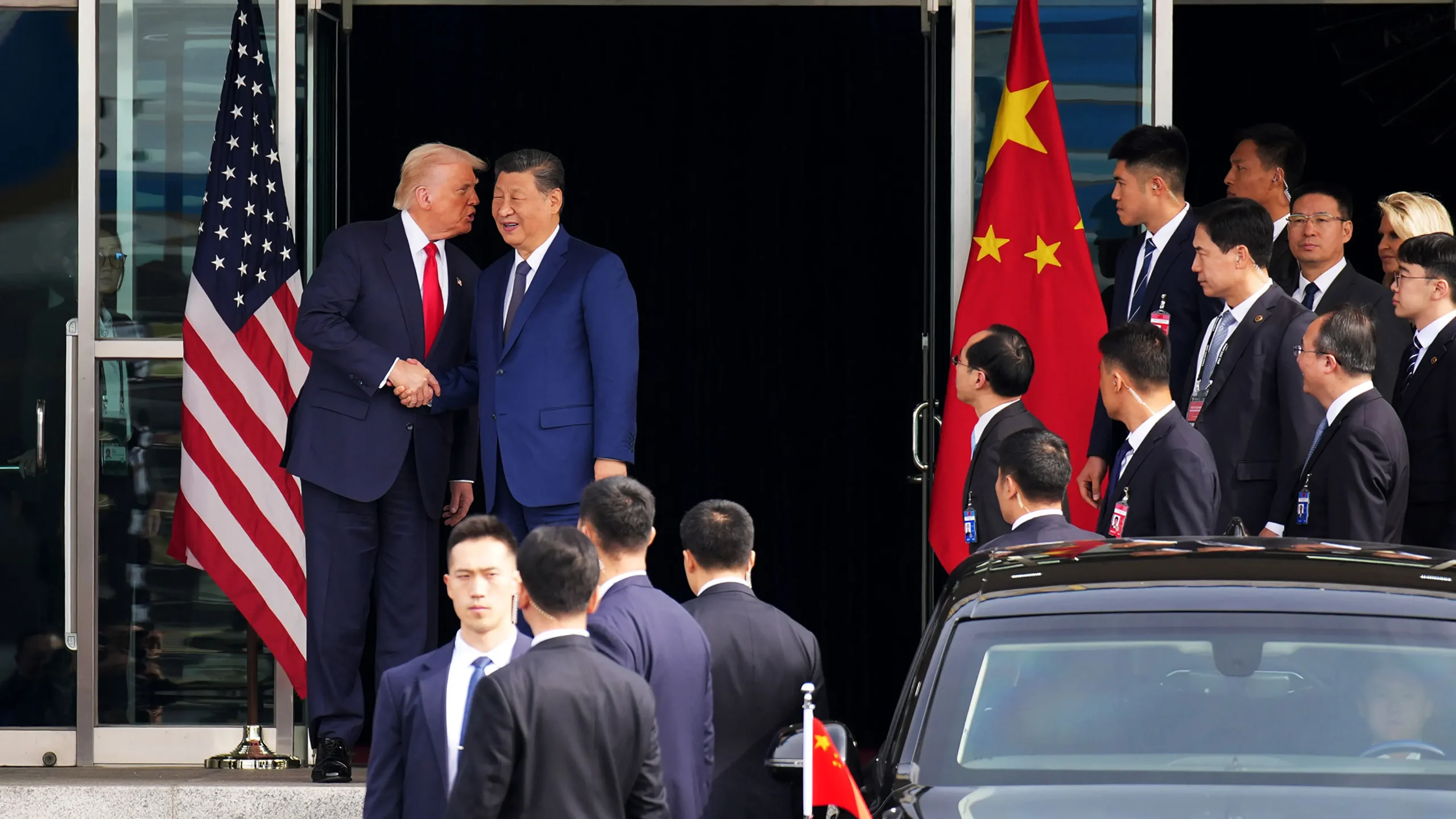
The role of major powers such as the United States, China, and the European Union continues to evolve. Instead of dominating every global decision, these powers are adapting to a more competitive and balanced international system. This change is influencing global diplomacy, trade negotiations, and security strategies. As a result, the global power structure is becoming more dynamic and less predictable than in previous decades.
Strengthening of regional blocs
Regional blocs are gaining more importance in shaping political and economic policies. Groups in Asia, the Middle East, Africa, and Latin America are focusing on internal cooperation to strengthen their bargaining power globally. This trend is contributing to a shift in international relations, where regional unity plays a key role in influencing global decisions and reducing dependency on traditional superpowers.
Economic Power Transitions and Strategic Competition
Reconfiguration of global trade routes
Global trade routes are undergoing significant adjustments due to political and economic shifts. Countries are diversifying trade partnerships to reduce risks linked to dependency on single markets. This reconfiguration is reshaping supply chains and influencing global economic stability. The focus is shifting toward resilience and security in trade rather than just efficiency and cost.
Energy transition and political influence
Energy resources continue to play a central role in global power dynamics. The transition toward renewable energy is changing how countries influence one another. Nations rich in traditional energy resources are adapting their strategies, while those investing in clean energy technologies are gaining new political influence. This energy shift is becoming a major factor in global geopolitical changes.
Technology dominance and innovation race
Technology has become a key battlefield in global competition. Countries are investing heavily in artificial intelligence, semiconductor production, cybersecurity, and digital infrastructure. This technological race is not only about economic advantage but also about national security and global influence. The outcome of this competition may significantly shape the future world order.
Security Challenges and Political Instability Trends
Rising conflicts and proxy tensions
Global security remains uncertain due to ongoing conflicts and proxy tensions in different regions. These tensions influence diplomatic relations and often reshape alliances. Even localized conflicts can have international consequences, affecting trade, energy supply, and political cooperation between major powers.
Cybersecurity and information warfare
Cybersecurity threats and information warfare are becoming more sophisticated and widespread. Governments are now prioritizing digital defense strategies to protect critical infrastructure and sensitive data. The rise of misinformation and cyber conflicts is adding a new layer of complexity to international relations and political stability.
Domestic politics shaping global influence
Internal political changes within major countries are having a direct impact on global power structures. Leadership transitions, policy reforms, and public sentiment are influencing foreign policy decisions. As domestic priorities shift, they often redefine how countries engage with the rest of the world, contributing to broader geopolitical changes.
FAQs
1. What are the major political shifts in 2026?
The major shifts include changing alliances, economic competition, technological rivalry, and evolving global power structures.
2. How is global power changing in 2026?
Global power is becoming more distributed, with multiple countries and regions gaining influence instead of one dominant superpower.
3. Why are regional blocs becoming more important?
Regional blocs strengthen cooperation between neighboring countries, increasing their global influence and negotiation power.
4. How does technology affect global politics?
Technology impacts security, economy, and military strength, making it a key factor in international competition.
5. What role does energy play in political shifts?
Energy resources influence economic stability and political power, especially as the world transitions toward renewable energy.
Conclusion
The political shifts expected in 2026 highlight a world that is becoming more interconnected, competitive, and complex. From changing alliances and economic transitions to rising security challenges, global power is no longer controlled by a single center but shared across multiple regions and systems. Staying informed about these developments is essential for understanding the future of international relations and the evolving global order.