

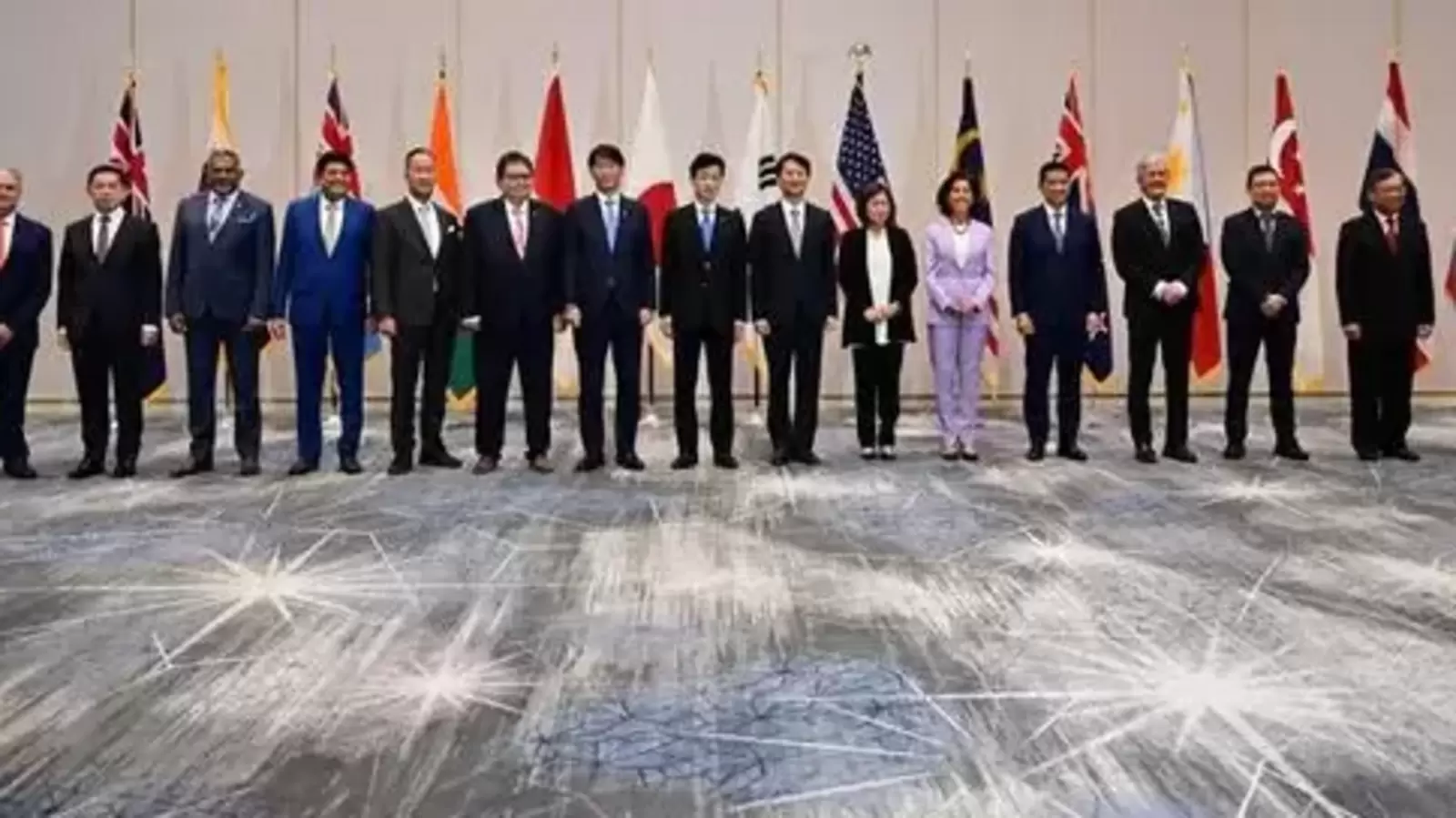
Global politics is changing faster than ever before, influenced by economic shifts, technological advancements, conflicts, and new international alliances. Countries are rethinking their strategies, strengthening partnerships, and responding to emerging global challenges such as climate change, digital security, and economic instability. These major international updates are not only shaping government policies but also affecting global trade, security, and everyday life around the world.
Shifting Global Power and Emerging Alliances
Rise of Multi-Polar World Order
The global political landscape is moving away from a single dominant power system toward a multi-polar world order. Instead of one superpower controlling global decisions, multiple countries and regions are gaining influence. Nations like China, India, and regional blocs such as the European Union are playing stronger roles in global governance. This shift is changing how international decisions are made, especially in trade, security, and diplomacy.
Strengthening Regional Partnerships
Regional partnerships are becoming more important as countries prefer working closely with neighboring nations. Groups like ASEAN, the African Union, and trade alliances are focusing on economic stability and political cooperation. These partnerships help countries handle shared challenges more effectively, including energy crises and security concerns. This trend is also reducing dependence on traditional global powers.
Changing Diplomatic Relationships
Diplomatic relations between major countries are constantly evolving due to political and economic interests. Some nations are forming new alliances while others are reassessing long-term partnerships. These changes impact global negotiations, international trade agreements, and conflict resolution efforts. As diplomacy becomes more complex, countries are focusing on strategic flexibility.
Global Conflicts and Security Challenges
Ongoing Regional Conflicts and Their Global Impact
Regional conflicts continue to shape international politics by affecting energy prices, trade routes, and global stability. Conflicts in different parts of the world create ripple effects that influence international markets and diplomatic relations. Countries are often forced to respond with sanctions, peace talks, or humanitarian aid to manage the consequences.
Rise of Cybersecurity Threats
Cybersecurity has become a major concern in global politics as governments face increasing digital attacks. These threats target infrastructure, financial systems, and sensitive data. Nations are investing heavily in cybersecurity defense systems and forming international agreements to combat cybercrime. Digital warfare is now considered as serious as traditional military conflict.
Defense Spending and Military Modernization
Many countries are increasing defense budgets to strengthen their military capabilities. This includes modernizing weapons systems, investing in AI-based defense technologies, and improving border security. The focus on military readiness reflects growing global uncertainties and the need to protect national interests in a rapidly changing world.
Economic Shifts and Global Trade Transformations
Changing Global Trade Networks
Global trade networks are evolving due to political tensions, supply chain disruptions, and economic policies. Countries are diversifying trade partners to reduce dependency on single markets. This shift is leading to new trade agreements and regional supply chain development, which is reshaping international commerce.
Inflation and Global Economic Stability
Inflation and economic instability in major economies are influencing global financial markets. Rising costs of living, energy prices, and currency fluctuations are affecting both developed and developing nations. Governments are introducing economic reforms and monetary policies to stabilize their economies and maintain global competitiveness.
Growth of Digital Economies
The digital economy is becoming a major driver of global growth. E-commerce, digital payments, and remote work systems are transforming how countries interact economically. Governments are now focusing on digital infrastructure, online regulations, and technology-driven trade policies to support this shift.
Climate Policy and Global Cooperation
International Climate Agreements
Climate change has become a key topic in global politics, leading to international agreements focused on reducing carbon emissions. Countries are committing to long-term environmental goals, including renewable energy adoption and sustainability initiatives. These agreements require cooperation between developed and developing nations.
Renewable Energy Transition
Many countries are investing in renewable energy sources such as solar, wind, and hydro power. This transition is not only environmental but also political, as nations aim to reduce dependency on fossil fuels. Energy independence is becoming a strategic priority in international relations.
Environmental Security and Global Responsibility
Environmental issues are now linked with global security, as climate disasters impact economies and migration patterns. Countries are working together to address environmental risks and promote sustainable development. This cooperation is shaping new policies in global governance.
FAQs
What are the major international updates in global politics?
They include shifts in global power, conflicts, economic changes, and climate policies.
Why is global politics becoming more complex?
Because of multiple power centers, technological changes, and international conflicts.
How does global trade affect international relations?
Trade influences diplomacy, alliances, and economic stability between countries.
What role does cybersecurity play in global politics?
It protects national systems and prevents digital attacks between nations.
Why is climate change important in global politics?
Because it affects economies, security, and international cooperation.
Conclusion
Major international updates are reshaping the future of global politics in powerful ways. From shifting alliances and economic transformations to security challenges and climate cooperation, the world is becoming more interconnected and complex. Understanding these changes is important for recognizing how global decisions impact nations and individuals. As international relations continue to evolve, cooperation, stability, and adaptability will remain essential for shaping a balanced global future.