
The world is once again facing a period of uncertainty as global tensions rise following a major international crisis that has captured worldwide attention. Governments, political leaders, and international organizations are responding rapidly as concerns grow over economic stability, regional security, and diplomatic relations. The situation has triggered debates about global cooperation, military preparedness, and the future of international peace. As countries react to the unfolding crisis, experts warn that the coming weeks could significantly shape geopolitical relationships and economic conditions across the world.
Growing Political Reactions Across Major Nations
World Leaders Call for Immediate Diplomatic Solutions
Several world leaders have urged calm and diplomacy as the international crisis continues to develop. Governments from major economies have released official statements encouraging peaceful negotiations and warning against actions that could increase instability. Diplomatic meetings and emergency discussions are taking place as countries attempt to prevent the situation from escalating further. Political analysts believe that strong communication between nations will play a critical role in maintaining global stability during this uncertain period.
Emergency Meetings Increase Among International Alliances
Global alliances and international organizations are holding urgent meetings to discuss possible responses to the crisis. Security councils, regional partnerships, and defense alliances are reviewing strategic plans while monitoring developments closely. These meetings reflect growing concerns about international security and the possibility of wider geopolitical consequences. Experts say coordinated action among allied nations may help reduce tensions and support long-term diplomatic efforts.
Public Statements Reflect Rising Global Concerns
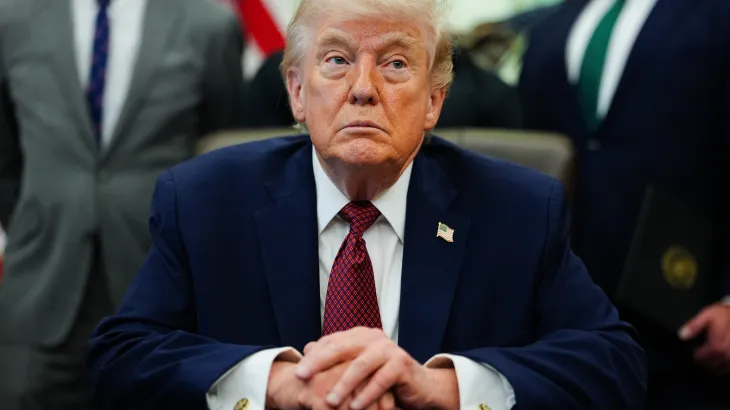
Public speeches and media appearances by political leaders have highlighted the seriousness of the crisis. Many officials are emphasizing national security, economic protection, and international cooperation as key priorities. At the same time, citizens across different countries are closely following updates through news platforms and social media. The widespread public attention demonstrates how global crises can quickly affect public confidence and political discussions worldwide.
Economic Impact of the International Crisis
Financial Markets React to Uncertainty
Global financial markets have shown signs of volatility as investors react to uncertainty surrounding the crisis. Stock markets in several countries experienced fluctuations as concerns over international trade and economic growth increased. Analysts suggest that investor confidence often weakens during geopolitical instability because businesses and industries become cautious about future risks. Financial experts are now monitoring market trends closely for signs of long-term economic effects.
Energy Prices and Supply Chains Face Pressure
Energy markets and global supply chains are under growing pressure due to concerns about disruptions linked to the crisis. Rising fuel prices and transportation challenges could affect industries worldwide, especially manufacturing and international trade sectors. Economists warn that prolonged instability may increase operational costs for businesses and create inflation-related challenges in multiple regions. Governments are already discussing strategies to protect energy security and maintain supply stability.
Businesses Prepare for Possible Economic Slowdowns
Companies and multinational corporations are reviewing risk management strategies as uncertainty continues. Many businesses are reassessing investments, international operations, and future expansion plans to prepare for possible economic slowdowns. Industries that rely heavily on global trade may face additional challenges if tensions continue to rise. Business leaders are encouraging governments to support stable international relations to avoid deeper financial disruption.
Security Concerns and Global Stability
Military Readiness Increases in Several Regions
Defense agencies in multiple countries have increased security monitoring and military preparedness following recent developments. Governments are focusing on border security, intelligence sharing, and strategic defense planning as part of precautionary measures. While many leaders continue to support diplomatic solutions, security experts believe that nations are preparing for different scenarios to protect national interests and regional stability.
Cybersecurity Threats Become a Growing Concern
Cybersecurity has become an important topic during the international crisis as experts warn about potential digital threats. Government systems, financial institutions, and communication networks may face increased risks during periods of geopolitical tension. Cyber defense teams in several countries are strengthening digital security measures to prevent attacks that could disrupt critical infrastructure. The growing role of technology in global conflicts highlights the importance of modern cybersecurity strategies.
International Cooperation Remains Essential
Despite rising tensions, many global organizations continue to emphasize the importance of international cooperation and peaceful dialogue. Diplomats and policy experts argue that collaborative efforts between nations remain the best path toward reducing conflict and restoring stability. International cooperation can help manage humanitarian concerns, economic uncertainty, and security risks more effectively. The coming period will likely test the strength of global diplomatic relationships and international leadership.
FAQs
1. Why are global tensions increasing right now?
Global tensions are rising due to a major international crisis involving political, economic, and security concerns between nations.
2. How does an international crisis affect the global economy?
International crises can impact financial markets, trade, energy prices, and investor confidence worldwide.
3. Why are world leaders holding emergency meetings?
Emergency meetings help governments and international alliances coordinate responses and discuss diplomatic solutions.
4. What role does cybersecurity play during global conflicts?
Cybersecurity protects government systems, businesses, and critical infrastructure from digital threats during periods of instability.
5. Can diplomacy help reduce international tensions?
Yes, diplomatic negotiations and international cooperation are considered essential for preventing further escalation.
Conclusion
The ongoing international crisis has intensified global tensions and placed world leaders under pressure to respond carefully and strategically. Political reactions, economic uncertainty, and growing security concerns continue to shape international discussions as governments seek solutions that can restore stability. While challenges remain significant, diplomatic cooperation and responsible leadership may help reduce risks and protect global peace. The situation also highlights the interconnected nature of today’s world, where international events can quickly influence economies, security systems, and public confidence across multiple regions.