




The war in Gaza remains one of the most protracted and challenging conflicts in modern history. Decades of political tensions, territorial disputes, and humanitarian crises have converged to create a situation where achieving lasting peace seems elusive. Recent escalations have drawn global attention, highlighting not only the devastation on the ground but also the intricate political, social, and military factors that hinder resolution. Understanding the layers of complexity is crucial for policymakers, humanitarian actors, and the international community aiming to bring an end to the violence.
Historical Context: Roots of the Gaza Conflict
The Gaza Strip has long been at the heart of the Israeli-Palestinian conflict. Since the 1948 Arab-Israeli war and subsequent territorial shifts, Gaza has experienced repeated cycles of conflict and blockade. The political divide between Hamas, which controls Gaza, and the Palestinian Authority in the West Bank has further complicated governance and peace efforts.
Analysts note that the region’s history of occupation, coupled with repeated military interventions, has fostered deep mistrust on both sides. This historical context is critical to understanding why traditional diplomatic approaches often struggle to gain traction.
Humanitarian Crisis: The Human Cost of War
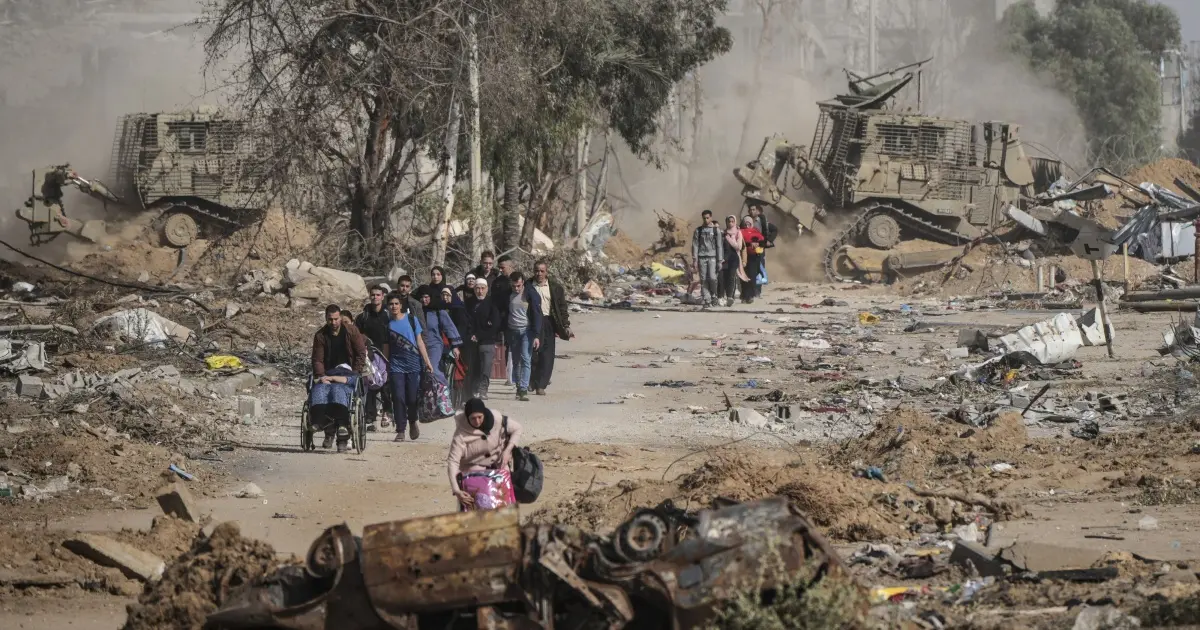
The humanitarian impact of the Gaza conflict is staggering. According to estimates from international organizations, over two million residents live under severe restrictions, with limited access to clean water, medical care, and electricity. Civilians are frequently caught in crossfire, and hospitals often operate under extreme strain during escalations.
Children in Gaza face disproportionate challenges, including disrupted education, psychological trauma, and heightened vulnerability to violence. Experts warn that without a sustainable peace agreement, the humanitarian situation is likely to deteriorate further, exacerbating cycles of poverty and instability.
Political Deadlock: Challenges in Negotiation
Efforts to broker peace have repeatedly stalled due to political fragmentation. Israel’s security concerns, including rocket attacks from Gaza, are central to its negotiation stance. Meanwhile, Hamas emphasizes resistance and political recognition as prerequisites for any dialogue.
The involvement of external actors, including Egypt, Qatar, and the United Nations, has been pivotal in mediating temporary ceasefires, yet long-term solutions remain elusive. Analysts suggest that without addressing core issues such as borders, governance, and security arrangements, any ceasefire is likely to be temporary.
Military Dynamics: Escalation and Stalemate
The military landscape in Gaza is characterized by asymmetry. Israeli forces possess advanced technology and air power, while Hamas relies on tunnels, improvised weapons, and localized tactics. This imbalance has contributed to repeated cycles of escalation, as both sides aim to assert control without triggering a decisive end to the conflict.
Repeated military operations have also made urban areas highly vulnerable. Civilian infrastructure is frequently damaged or destroyed, further complicating humanitarian relief efforts. Experts argue that military solutions alone cannot resolve the conflict, highlighting the urgent need for coordinated political engagement.
Economic Challenges: Blockades and Poverty
Gaza’s economy suffers from severe restrictions on trade, movement, and employment. Blockades and border controls limit access to essential goods, while unemployment rates hover around 50% for adults and 60% among youth. Economic hardship fuels frustration and instability, which in turn perpetuates conflict dynamics.
Sustainable peace requires addressing economic reconstruction, investment, and infrastructure development. However, political tensions and security concerns continue to hinder meaningful economic recovery, leaving millions of residents in chronic hardship.
Social and Psychological Dimensions
The social fabric of Gaza has been profoundly affected by decades of conflict. Communities live under constant stress, and intergenerational trauma is widespread. Mental health experts emphasize that any peace process must include psychosocial support and initiatives to rebuild trust and resilience within communities.
Programs targeting education, youth engagement, and community cohesion are essential for reducing the appeal of militant activities and fostering long-term stability.
International Involvement: Prospects and Limitations
Global actors play a critical role in mediating the conflict, providing humanitarian aid, and applying diplomatic pressure. The United Nations, the European Union, and neighboring countries have facilitated ceasefires and coordinated relief efforts.
However, international involvement is often constrained by geopolitical considerations, competing alliances, and the limits of influence over non-state actors. Sustainable resolution will require a delicate balance between supporting immediate humanitarian needs and fostering long-term political solutions.
Pathways to Peace: Obstacles and Opportunities
Experts identify several core challenges to achieving peace in Gaza:
- Political Fragmentation: The division between Hamas and the Palestinian Authority complicates negotiation and governance.
- Security Concerns: Israeli priorities focus on preventing rocket attacks and maintaining national security.
- Economic Reconstruction: Blockades and restrictions impede economic growth and recovery.
- Humanitarian Access: Delivering aid is often hindered by conflict and political tensions.
- Public Trust: Decades of violence have eroded trust between communities and leaders.
- Despite these challenges, there are pathways for progress. Confidence-building measures, phased reconstruction, inclusive dialogue, and international support for governance reforms can create the conditions necessary for a more durable peace.
The Role of Civil Society and Grassroots Efforts
Civil society organizations and grassroots movements have emerged as vital actors in Gaza. Local initiatives focus on education, healthcare, conflict resolution, and community empowerment. These efforts can bridge divides, foster resilience, and support broader peacebuilding objectives.
Experts argue that sustainable peace will depend not only on high-level diplomacy but also on empowering local communities to participate actively in shaping their future.
FAQs
Why is the Gaza conflict so difficult to resolve?
The conflict involves deep-rooted historical grievances, political fragmentation, security concerns, and social challenges, making negotiation and trust-building complex.
How does the humanitarian crisis affect peace efforts?
High levels of poverty, displacement, and lack of access to essential services exacerbate tensions and make political compromise more difficult.
What role do international actors play?
Global organizations and neighboring countries mediate ceasefires, provide aid, and apply diplomatic pressure, but geopolitical complexities limit their influence.
Can economic development help achieve peace?
Yes. Improving infrastructure, creating jobs, and reducing restrictions can stabilize communities and reduce support for militant actions.
What role does civil society play in Gaza?
Local organizations provide essential services, education, and conflict resolution initiatives, helping to rebuild trust and resilience within communities.
Conclusion:
Ending the war in Gaza is one of the most complex challenges in contemporary geopolitics. Military operations, political deadlock, economic hardship, and humanitarian crises are intertwined, making resolution difficult yet imperative.
While obstacles are immense, strategic diplomacy, inclusive governance, and robust international support can pave the way toward peace. The path forward requires patience, coordination, and a recognition that long-term solutions must address both immediate needs and structural injustices. Only through comprehensive engagement can the cycle of violence in Gaza be broken, offering hope to millions of residents who have endured decades of suffering.


