

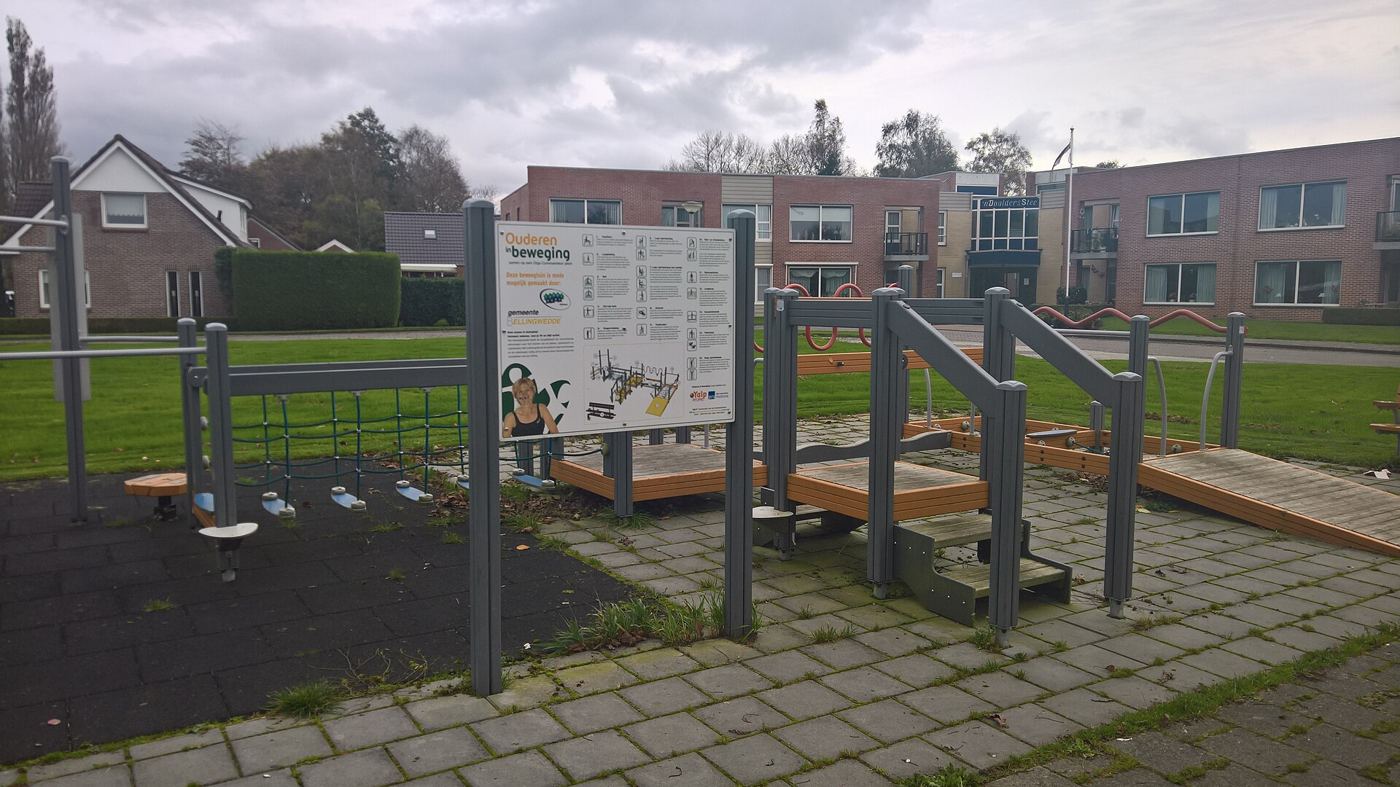
Balance exercises are helping older adults prevent falls at home, offering a gentle way to stay steady and confident on the stairs. Falls are one of the most common causes of injury in later life, and a single fall can lead to a fracture, a hospital stay and a loss of confidence. Yet balance, like strength, can be trained, and physiotherapists say that a few minutes of practice each day can make a real difference. Simple exercises include standing on one leg while holding a chair, walking heel to toe along a line on the floor, and slowly rising from a chair without using the hands. These movements train muscles, joints and the inner ear to work together, improving the body’s sense of where it is. Many older adults say the exercises also help them feel safer at home, which encourages them to stay active rather than sitting still for fear of falling. Classes in community halls make the practice social, with an instructor checking form and encouraging steady progress.
What the Evidence Shows
Experts advise starting with support nearby, such as a sturdy chair or kitchen worktop, and practising in a clear space with no rugs or clutter underfoot. Progress should be slow and steady, with the support used less as confidence grows, and any dizziness or pain is a signal to stop and seek advice. Balance work is most effective alongside strength exercises for the legs and regular walking, since strong legs and good balance protect each other. Homes can also be made safer, with good lighting, handrails on stairs and non-slip mats in the bathroom. Anyone who has already fallen should tell their doctor, who can check medicines, vision and blood pressure, all of which affect balance. For older adults, a few minutes of balance practice each day is a small investment that helps keep them independent and on their feet. Reporting and analysis from sources such as World Health Organization track the same developments, and specialists following balance exercises for older adults say the direction is now consistent across independent lines of evidence.
The Wider Context
The wider context is a health system trying to move from treating illness late to preventing it early, against budgets that reward the opposite. Evidence around balance exercises for older adults is being weighed by guideline committees that ask two questions in order: does it work, and can ordinary services actually deliver it at scale. Many good ideas pass the first test and stall on the second.
What Happens Next
What happens next for balance exercises for older adults depends on the slow machinery of guidelines, funding and training catching up with the evidence. Patients asking about it today should expect honest answers that include uncertainty, and clinicians say a service that explains what is not yet known earns more trust than one that oversells. The research pipeline, at least, is moving in the right direction. You can follow related developments in our coverage of health.
There is a practical lesson in all of this for readers deciding what to do today. Start with the verified facts, be wary of anyone promising certainty, and prefer reversible steps while the evidence is still developing. Circumstances differ by country, income and personal situation, so general guidance should always be weighed against your own context before you act on it in any significant or lasting way.
