

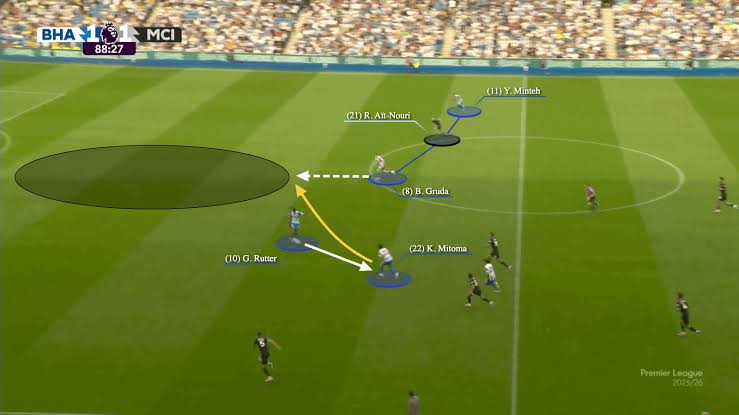
The tactical emergence of aggressive high-pressing systems during the 2008/2009 Premier League campaign transformed how matches unfolded, injecting chaotic transitions and high-tempo sequences into an era otherwise dominated by cautious defensive blocks. Sides that implemented coordinated pressing traps in the opponent’s half systematically forced turnovers in advanced areas, generating rapid counter-attacks that frequently bypassed traditional midfield buildups. This high-risk, high-reward approach not only yielded significant competitive success for pioneering managers but also created a predictable statistical surge in total goal counts. Recognizing which squads deployed these intense pressing frameworks provides an invaluable lens for bettors seeking consistent value in over-goal markets.
Tactical Mechanics of High-Pressing Systems
Executing an effective high press สมัคร ufa168 absolute synchronized movement across forward and midfield lines to cut off passing lanes and suffocate the opponent’s build-up play right outside their penalty area. Rather than retreating into a passive medium block, progressive managers instructed their players to hunt down possession immediately after a loss, transforming defensive actions into instant offensive triggers. This aggressive posture compressed the available playing surface, forcing defenders into panicked clearances and rushed sideways passes that regularly resulted in high-value turnovers. Consequently, matches featuring these high-energy units experienced elevated transition frequencies, skyrocketing the overall volume of shots registered by both teams over ninety minutes.
Profiling High-Pressing Units and Scoring Impact
| Pressing Side | Primary Pressing Zone | Defensive Risk Profile | Average Match Goal Total | Over Market Reliability |
| Manchester United | Final third and opposition build-up | High positional vulnerability on counter | 2.82 | High consistency in open matches |
| Arsenal | Central midfield and flank traps | Moderate susceptibility to physical direct play | 3.05 | Elite reliability for over-goal backers |
| Liverpool | High-intensity frontline hunting | Low error margin in central zones | 2.68 | Strong against deep defensive blocks |
| Chelsea | Mid-block shifting to high pressure | Very low structural vulnerability | 2.45 | Moderate, dependent on opponent style |
Quantifying the tactical output of these aggressive squads reveals a direct mathematical correlation between relentless ball recovery in the final third and an increased frequency of multi-goal fixtures. Arsenal and Manchester United consistently pushed numbers forward, creating chaotic game states that frequently overwhelmed traditional defensive formations. This high-octane tactical identity guaranteed that matches rarely drifted into dull, low-scoring stalemates, making them premier targets for participants focusing on total goal markets.
The Consequences of Defensive Transitions on Goal Expectancy
When a high-pressing team successfully disrupted an opponent’s build-up phase, the resulting transition occurred so rapidly that the defending side’s backline was almost always caught unorganized and out of position. This structural mismatch created a devastating attacking advantage where two or three forwards faced isolated central defenders with vast acreage of open space ahead of them.
Key Catalysts of High-Transition Goal Surges
- Ball recoveries occurring within thirty yards of the opposition goal frame
- Attacking runners exploiting vacant corridors left by overlapping full-backs
- Defending units scrambling backward without establishing a proper defensive shape
Impact on Overall Match Scorelines
- Exponential rise in high-probability shots from inside the eighteen-yard box
- Increased defensive panic leading to rushed clearances and rebound goals
- Accelerated tempo that prevents teams from running down the clock effectively
Analyzing these transitional mechanisms clarifies why pressing-heavy units routinely produced high-scoring spectacles even when facing stubborn defensive opponents. The sheer speed of turnover execution broke down conservative blocks before they could properly compact, unlocking scoring opportunities that standard possession-based play failed to generate.
Environmental Variables Impacting Pressing Intensity
The grueling physical demands of maintaining a high-intensity pressing system throughout a congested winter schedule introduced severe sustainability challenges for squads during the 2008/2009 campaign. Heavy pitches, freezing temperatures, and relentless midweek fixtures rapidly depleted player stamina reserves, making it physically impossible to sustain ninety minutes of aggressive frontline hunting without experiencing severe fatigue lapses. When pressing teams tired during the second half, their structural integrity collapsed, leaving vast central spaces that opponents easily exploited on counter-attacks. Monitoring physical workload metrics alongside weather conditions allowed astute observers to adjust their expectations for open matches during demanding winter periods.
Market Pricing Anomalies in High-Tempo Fixtures
Bookmakers occasionally miscalculated the true volatility of high-pressing encounters by relying too heavily on historical head-to-head defensive records rather than current tactical intent. When two aggressive units clashed, oddsmakers frequently set conservative total goal lines based on traditional caution, ignoring the chaotic nature of high-press transitions. Observers evaluating these pricing dynamics through an intuitive betting interface could identify significant value on over-goal lines before the market adjusted to the inevitable chaos. This tactical foresight allowed strategic participants to capitalize on distorted odds that underestimated the explosive scoring potential of high-tempo football.
Common Analytical Errors in Evaluating Pressing Teams
A recurring mistake made by casual analysts was assuming that teams with aggressive pressing systems possessed infallible defenses simply because they won possession frequently. In reality, the inherent structural risk of committing bodies forward meant that when the press was successfully bypassed by a clever long ball, the defending team faced catastrophic defensive overloads. Failing to account for this defensive vulnerability often led to flawed match predictions where analysts expected clean sheets instead of open, high-scoring shootouts. Avoiding these analytical pitfalls required balancing the offensive brilliance of a high press against its corresponding defensive risks.
Summary
The success of high-pressing tactical systems during the 2008/2009 Premier League season was fundamentally rooted in creating rapid, chaotic transitions that bypassed traditional defensive structures and drove high goal totals. Teams that hunted for possession in advanced areas consistently generated open match environments that proved exceptionally lucrative for participants targeting over-goal markets. Historical analysis of these aggressive tactical frameworks proves that understanding high-tempo transition dynamics is essential for accurately forecasting scoring outputs in elite competitive football.